Author: Chloe McClure, Images by: Whitney and Matsaya Photography

Welcome to wedding planning! An exciting, once-in-a-lifetime experience filled with meaningful decisions (and often, many more decisions layered on top). While the process is incredibly rewarding, it can also feel overwhelming without the right structure and support in place.
At its core, wedding planning can be broken into two key phases.
Phase One: Building the Foundation
The first phase involves selecting your vendor team and determining what elements you want to include in your celebration. This is where you establish the foundation of your wedding day—everything from catering and photography to rentals and entertainment. A strong foundation is essential, as your entire timeline and overall experience will be built upon it.
This is where a full-service planner can be invaluable. An experienced planner will guide you toward trusted vendors, help you stay aligned with your budget, and ensure that every detail is thoughtfully considered from the start (and aligns with your key priorites set in the beginning). When this phase is executed well, it creates a seamless framework for everything that follows.
Phase Two: Bringing It All Together
Once your vendors are secured and you have a general vision for the day, the next step is assembling all the moving parts into a cohesive, well-executed plan. This phase requires careful attention to detail. Every timing decision, logistical element, and design choice must work in harmony.
This is where a wedding coordinator becomes essential.
Before diving into the benefits, it’s important to address a common misconception within the industry: the term “Day-of Coordinator.” While widely used, it can be misleading. True coordination cannot be accomplished in a single day, and any service promising that should be approached with caution.
Professional coordination is a process, not a one-day service. At a minimum, it should include several weeks—ideally months—of preparation. This allows your coordinator to fully understand your vision, review vendor contracts, communicate with your team, and create a comprehensive, detailed timeline. At our company, we refer to this as Wedding Management, which includes multiple months of preparation, ongoing communication, timeline development, and full-day execution. Wedding days themselves often span 12–15 hours, and your coordinator is there through it all—typically the first to arrive and the last to leave.
Without this level of preparation, it is nearly impossible to execute a seamless event.
The Value of a Wedding Coordinator
A coordinator’s role is to transform your plans into a flawlessly executed experience. They take all the individual elements you’ve chosen and ensure they work together efficiently and beautifully.
This includes:
- Developing and managing a detailed, realistic timeline
- Coordinating vendor arrivals, setup, and transitions
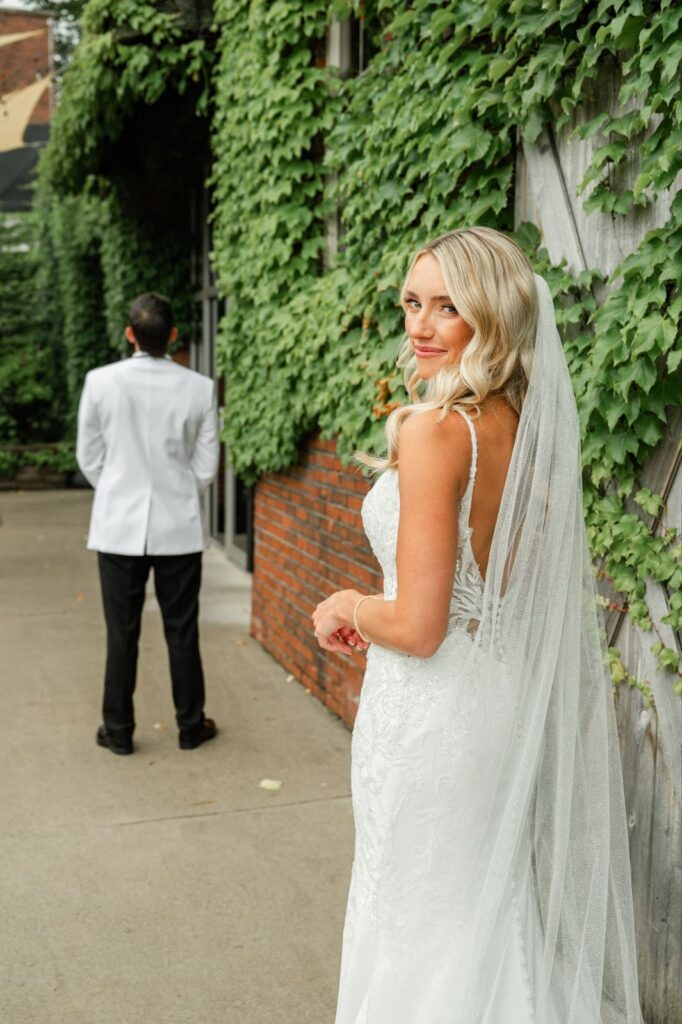
- Overseeing key moments such as the first look, ceremony flow, and reception events
- Managing logistics you may not have considered, from décor placement to repurposing florals
- Acting as the main point of contact so you, and your family, can fully enjoy the day
A skilled coordinator uses their expertise, organization, and understanding of your priorities to anticipate needs, solve problems before they arise, and keep everything running smoothly behind the scenes.

Is It Worth It?
If you find yourself questioning whether you need a coordinator, the answer is often yes.
The final stretch of wedding planning can be the most demanding. By entrusting a professional with the logistics and execution, you’re not only ensuring your day is in capable hands, but you’re also giving yourself the freedom to be present and enjoy the experience.
Your wedding day should be about celebrating your relationship, not managing timelines or troubleshooting details. A coordinator allows you to step fully into that moment—confident that every element has been thoughtfully planned and expertly executed.