
By: Sydney Forbes
Photography: Autumn Sylvia

One of the biggest mistakes couples make is underestimating how quickly the morning goes by. A rushed morning sets the tone for the entire day, and that is not how anyone should feel on such a special occasion. The goal isn’t perfection, it’s creating an enjoyable start so you can truly soak in the day. The morning can feel both exciting and overwhelming, and having a plan in place can help you feel less stressed and far more prepared.
No book tells you exactly what you’re supposed to do at what time and in what order for your wedding; however, there is a general guideline that is sure to leave you feeling less stressed and way more prepared. Since we’re focusing on the wedding morning, we’ll be looking specifically at the pre-ceremony portion of the day, where thoughtful planning can make all the difference.
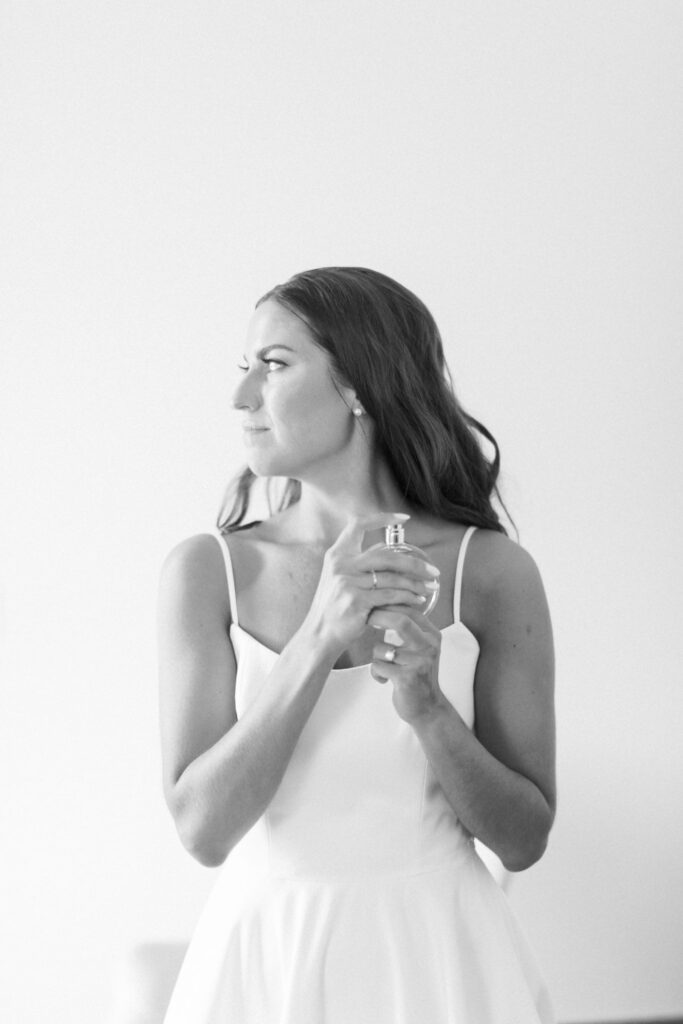
Buffer time is so important, and it is especially important to start earlier than you may think. Hair and makeup are almost always bound to take longer than expected. A helpful tip is to schedule a trial run the day before the wedding. Whether you are doing your makeup and hair yourself or working with an artist, this helps you refine your look and gauge timing. This way, you can determine exactly how long everything takes and add in a standard buffer time (this is around 30-45 minutes.) It is completely normal for things to be slightly off the time schedule. That’s why planners love to have buffer time because in the case you are running behind, it can still be stress-free! Trust me, your future self will be grateful for the extra time.
It is also helpful to build your timeline backwards starting with the ceremony. Since the ceremony is the only “fixed” point, everything else must fit around it. In simpler terms, if we know we must be ready by this time, what needs to happen before that? If you were to plan it forward, it is easy to run out of time; planning it backward helps you prioritize the most important things first. Revisiting the first point about buffer time, it goes hand in hand with backward timeline building. It will help prevent rushing at the end of getting ready and reduces decision fatigue on the day of the wedding.
To show what backward timeline planning looks like, here is a sample timeline built backwards starting with the ceremony time:
- 4:00 PM – Ceremony
- 3:30 PM – Hide away before the ceremony- reset, retouch, refresh
- 3:00 PM – Family photos
- 2:00 PM – Wedding party photos
- 1:00 PM – First look/private vows
- 12:00 PM – Get dressed and solo portraits
- 11:30 AM – Photographer arrives/detail shots
- 8:00 AM – Hair and makeup begins
- 7:30 AM – Wake up, breakfast, coffee
While every wedding is different, this is where a planner or coordinator becomes especially valuable. They will be able to create a timeline with you, tailored to your day, and can add in things you may not think of on your own.
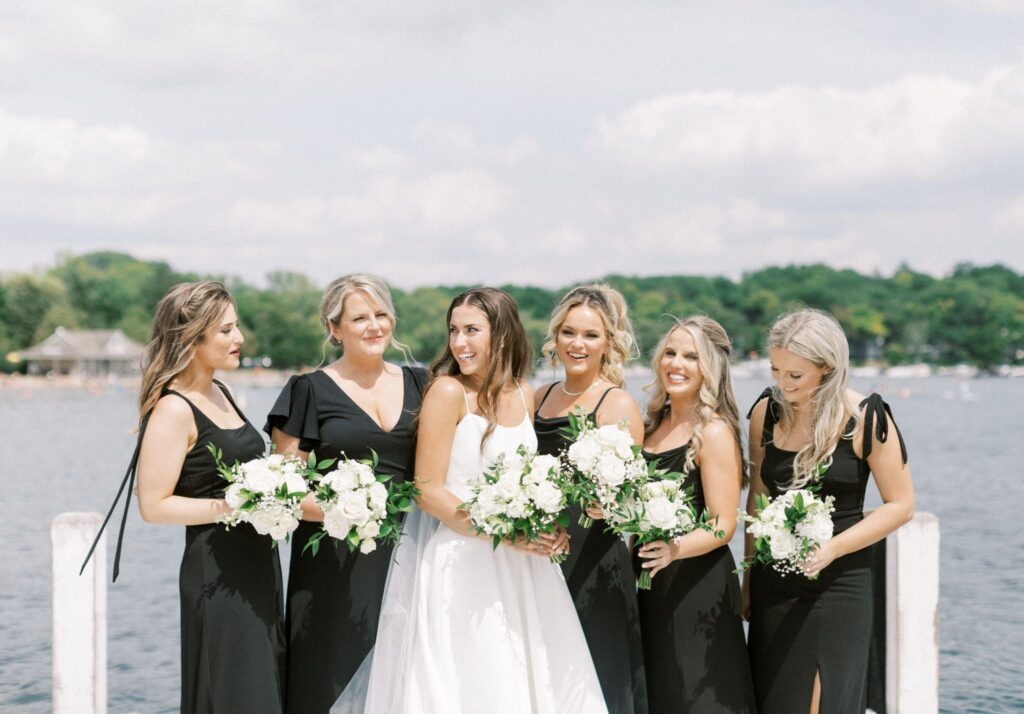
Some common things couples forget to plan for are food and staying hydrated. It is so easy to get caught up in the moment, and you forget how hungry or dehydrated you are. The same goes for your wedding party. It is a good idea to have snacks pre-set out or food delivered and consumed at least an hour or two before the ceremony. Liquid IV packets and bottled water or Gatorade are other ways to stay more hydrated. Staying nourished and hydrated helps everyone feel their best and prevents avoidable stress during the ceremony, as your health and that of your party are most important. Some other smaller things to mention include bringing a steamer for sneaky wrinkles, built-in time for a bathroom break before the ceremony, plus who will be able to help you with your dress, and makeup touch-up time (especially if it is hot out).
Some more general ideas include keeping your get-ready room uncluttered (clear space, clear mind), having a mood-setting playlist, limiting unnecessary people in the room, and building quiet moments into the day so you can breathe and think.
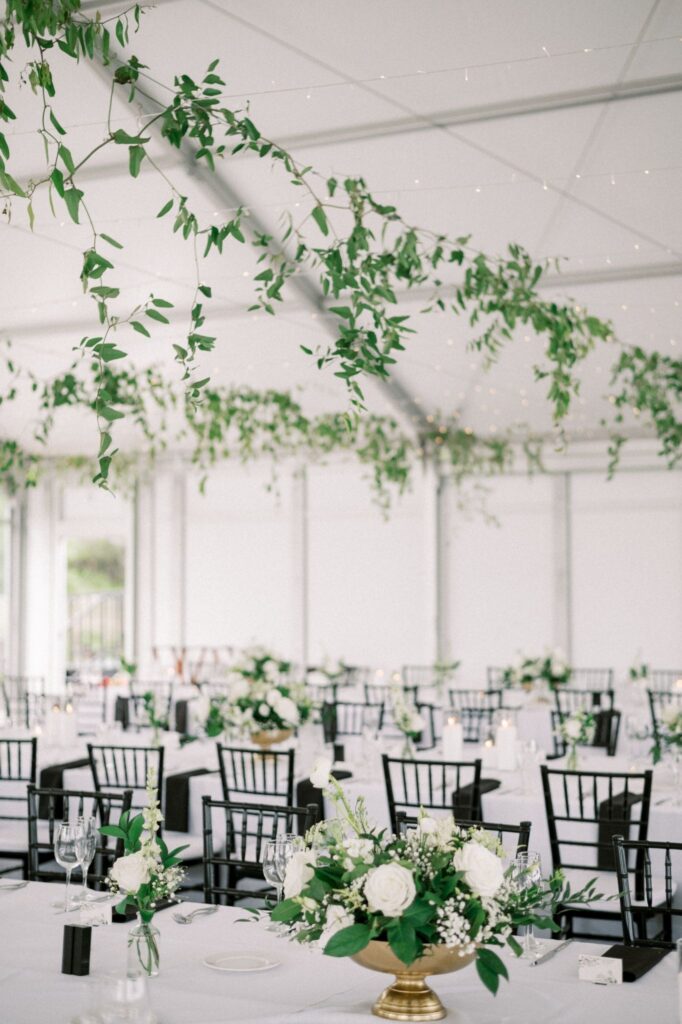
The best mornings feel intentional and not rushed. Timelines create freedom, not rigidity, allowing you to feel present and fully enjoy the moments leading up to “I do.” Using a coordinator and prepping in the right way helps keep everything moving so you can enjoy the moment.


